




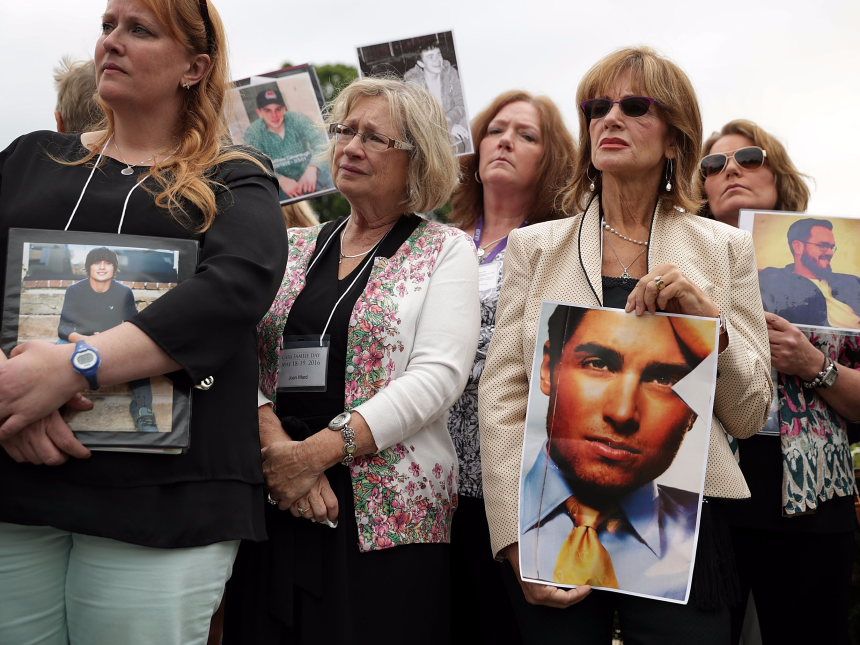
A Crisis That Doesn’t Make Headlines Anymore
Across America’s heartland—from the cornfields of Indiana to the plains of Oklahoma—a silent epidemic continues to ravage families, overwhelm health systems, and hollow out entire communities. The opioid crisis, once at the forefront of national media, has faded from the headlines, but its grip remains as lethal as ever.
In the eye of this storm stands Dr. Elena Ruiz, a 46-year-old family physician and public health strategist who has become a national force in rebuilding addiction care systems, transforming pain management, and fighting stigma in the most neglected zip codes.
From mobile treatment vans in Ohio to harm reduction hubs in rural Missouri, Dr. Ruiz leads a multi-front campaign rooted in data, compassion, and fierce community advocacy.
“This isn’t a crisis of bad choices,” Ruiz says. “It’s a crisis of failed systems, untreated trauma, and abandonment. And we can’t afford to look away.”
A Personal Mission Born in the Midwest
Raised in a working-class Latino family in Columbus, Ohio, Dr. Ruiz saw firsthand how addiction shattered lives—including members of her own extended family. After earning her medical degree from the University of Michigan, she returned to the Midwest to practice rural medicine.
There, she encountered an overwhelming number of patients with opioid dependency—many of whom were overprescribed painkillers after workplace injuries, had no access to addiction support, or were arrested rather than treated.
“People were dying in church parking lots. Grandparents were raising toddlers. Clinics turned away the people who needed them most.”
In 2015, she shifted her focus from primary care to addiction medicine and public health. By 2018, she had launched the Heartland Recovery Network (HRN)—a first-of-its-kind coalition tackling the crisis with an innovative, ground-up model.
The Heartland Recovery Model: Community-Led, Science-Backed
Under Dr. Ruiz’s leadership, the Heartland Recovery Network has become a blueprint for regional, interdisciplinary opioid response. With over 85 participating counties across five states, HRN’s model combines:
- Mobile Buprenorphine Clinics
Fully equipped vans staffed with nurse practitioners, counselors, and peer recovery coaches bring addiction treatment to towns without a single rehab center. - Recovery-Focused Emergency Rooms
ERs equipped with rapid opioid reversal kits, trauma-informed staff, and “warm handoff” protocols that connect overdose patients to next-day recovery support. - Harm Reduction Hubs
Safe syringe access, fentanyl testing strips, naloxone distribution, and safe use education delivered without judgment—often at libraries, gas stations, and barber shops. - Rural Recovery Fellowships
Paid fellowships for community members in recovery to become certified peer support specialists, building a workforce from within. - MAT Integration in Jails
Medication-assisted treatment (MAT) programs in rural correctional facilities, coupled with post-release care navigation and housing assistance.
“This isn’t just about getting Narcan into people’s hands,” Ruiz explains. “It’s about rebuilding the entire care ecosystem around them.”
Real Impact: Numbers That Speak
The HRN model has achieved remarkable results in counties where it’s been deployed for more than two years:
- 46% reduction in opioid overdose deaths
- 70% increase in access to Medication-Assisted Treatment (MAT)
- 55% drop in opioid-related ER visits
- 10,000+ naloxone kits distributed annually
- 1,800+ peer recovery coaches trained and employed locally
In 2023, HRN’s success earned it a $50 million federal grant through the Health Resources & Services Administration (HRSA) to expand operations to tribal lands and Appalachia.
Breaking the Stigma: Stories Over Statistics
What sets Dr. Ruiz apart is her unflinching belief in storytelling as medicine. She has led a series of initiatives designed to combat stigma by elevating the voices of those in recovery:
- “Faces of Recovery” photo exhibits displayed in courthouses, clinics, and schools
- A community radio series where former users discuss rebuilding their lives
- An annual “Hope Parade” led by families, honoring loved ones lost and those still fighting
She also trains healthcare providers on language reformation, urging them to replace phrases like “addict” and “junkie” with “person with a substance use disorder.”
“Words can kill, or they can heal. Stigma doesn’t just shame—it silences. And silence fuels this epidemic.”
Tech and Telehealth: Meeting People Where They Are
In a region where broadband access is often spotty, Dr. Ruiz has pioneered the use of low-bandwidth telehealth tools to reach patients in remote areas:
- Text-based counseling and treatment reminders
- Offline-compatible recovery apps
- Toll-free “recovery hotlines” that connect callers to licensed addiction counselors
She’s also piloted wearable alert systems for high-risk patients, which detect inactivity or cardiac patterns consistent with overdose and notify emergency contacts.
In partnership with state Medicaid systems, these services are fully subsidized, ensuring no one is priced out of recovery.
Policy Advocacy: From Local Boards to Capitol Hill
Dr. Ruiz is not just a clinician—she’s a fierce advocate for systemic reform. She sits on:
- The National Task Force on Rural Addiction Innovation
- The Advisory Council for the Office of National Drug Control Policy
- Several state-level prescription oversight boards
She has helped pass legislation in Indiana and Missouri mandating:
- MAT availability in all state prisons
- Limits on opioid prescription renewals
- Protections for patients accessing harm reduction services
Ruiz also authored the influential “Rural Recovery Roadmap” adopted by the CDC and SAMHSA as a planning tool for underserved regions.
Resistance and Roadblocks: Fighting on All Fronts
Despite progress, Ruiz faces fierce resistance from:
- Local leaders clinging to punitive approaches
- Clinics that refuse to offer MAT, citing moral objections
- Residents who view harm reduction as enabling
She also contends with burnout among frontline workers and a national media landscape that often ignores rural addiction.
But her persistence never wavers.
“When people say ‘those people don’t want help,’ I ask—have you ever actually offered them help without judgment, delay, or red tape? That’s the difference.”
Looking Ahead: Building a Sustainable Recovery Economy
Ruiz is now focused on the long-term recovery economy—ensuring people in recovery can build meaningful, independent lives.
She’s piloting:
- Recovery-to-Work Programs: Employer incentives for hiring and training individuals in recovery
- Sober Housing Co-ops: Affordable, community-owned living spaces with embedded support services
- Family Reintegration Clinics: Counseling, parenting support, and supervised visitation for recovering parents
She also plans to launch Heartland Academy, a training center for addiction counselors, peer coaches, and public health leaders rooted in lived experience.
“Recovery shouldn’t be a temporary condition. It should be a pathway to a new life.”