



Three years ago, Midwestern Tech University’s men’s basketball team was an afterthought—a program with aging facilities, a losing record, and a roster depleted by transfers. Fast forward to 2025, and they’re cutting down the nets after a Cinderella run to the NCAA Final Four, shocking the college basketball world.
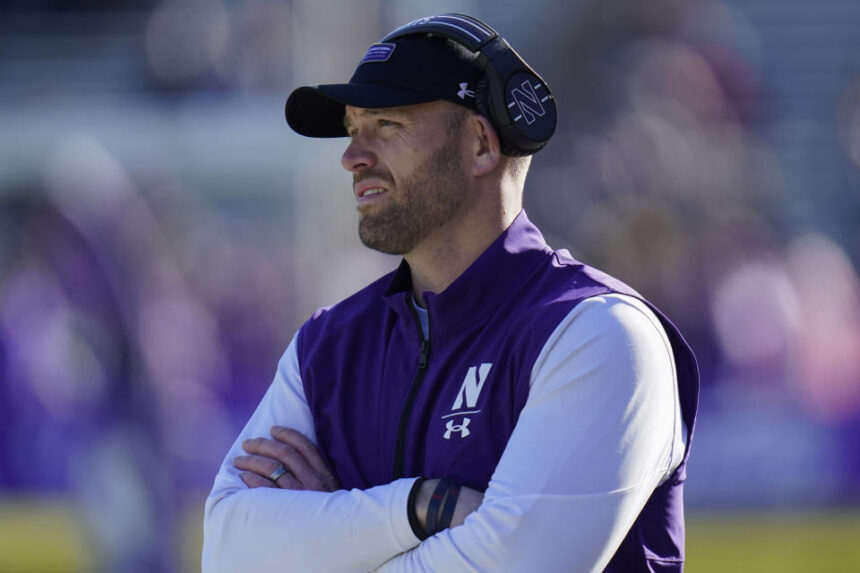
At the center of it all stands Coach David Grant, the 44-year-old tactician whose no-excuses mindset, strategic brilliance, and player-first leadership have made him one of the most respected—and unlikely—figures in modern college hoops.
“I don’t coach stars,” Grant says. “I coach systems, belief, and hustle. And if you get that right—glory follows.”
A Humble Start: Grinding from the Ground Up
David Grant’s roots are modest. Raised in Dayton, Ohio, by a school teacher and a city bus driver, he grew up surrounded by hard work and few shortcuts. As a player, he never went D-I, instead playing point guard at Cedar Valley College, where he was more known for assists and leadership than scoring.
He spent his 20s coaching high school ball, then served as a graduate assistant at Ohio University, where he developed an obsession with defensive efficiency, set plays, and culture-building.
Over the next decade, Grant climbed the coaching ladder slowly:
- Assistant roles at mid-majors like Northern Illinois and Eastern Michigan
- A two-year stint as a player development coach in the G League
- A brief but transformational tenure as head coach at Division II Lakeside State, where he led them to back-to-back conference championships
By 2021, he was approached by Midwestern Tech, a low-budget D-I program in the Horizon League, to take over a team that had gone 6–24.
Year One: Establishing a Blueprint
Upon arriving at MTU, Grant didn’t make flashy promises. He brought binders, blueprints, and benchmarks.
His first priorities:
- Overhaul team culture, starting with 6 AM accountability sessions
- Implement a “0-Star System”, meaning no one player was above the team
- Recruit high-IQ, under-scouted athletes from overlooked JUCOs and international circuits
- Install his signature “Flex-Spread Motion” offense and high-pressure perimeter defense
“We didn’t recruit stars. We recruited buy-in,” says Grant. “If you cared more about Instagram than deflections, this wasn’t your place.”
His first season ended 13–17—but with noticeable progress. They lost eight games by five points or less, and ranked top 5 nationally in steals by season’s end.
Year Two: Turning the Corner
With a full offseason and better talent fit, Grant’s system took hold.
- MTU improved to 22–11, winning the Horizon League tournament
- The team ranked #3 nationally in assist-to-turnover ratio
- They earned their first NCAA Tournament bid in 17 years, upsetting a #5 seed in the first round
Suddenly, pundits took notice.
“Grant is the Brad Stevens of the new mid-major era,” wrote The Athletic. “He wins with brainpower, bench depth, and belief.”
The Cinderella Run of 2025: Built to Last
This past season, Grant’s third, Midwestern Tech didn’t sneak into the tournament—they stormed in:
- A 30–5 record, best in school history
- Wins over two ranked Big Ten teams during the regular season
- A defense ranked #2 in adjusted efficiency, per KenPom
- A bench unit that routinely outscored opponents’ starters
In the tournament:
- They stunned the nation by beating a blue-blood program in the Sweet 16
- Advanced to the Final Four, defeating powerhouse teams with double-digit margins
- Lost a hard-fought championship semifinal by three points in overtime, but earned universal respect
“We didn’t run out of talent,” Grant said post-game. “We ran out of time. But we’ll be back.”
The Grant Philosophy: Brains, Brotherhood, and Basketball
David Grant’s coaching identity blends:
1. Tactical Precision
He’s a master of exploiting matchup inefficiencies:
- Alters offensive schemes mid-game based on live analytics
- Has 42 set plays, each with 3–4 variations
- Empowers players to make reads rather than follow scripts blindly
2. Radical Accountability
Every player must:
- Submit a weekly leadership report reflecting on team dynamics
- Attend a “culture lab” meeting on conflict resolution, sportsmanship, and humility
- Complete 20 hours of community engagement per season
3. Emotional Intelligence
Grant’s coaching staff includes:
- A full-time mental performance coach
- Mandatory weekly one-on-one check-ins
- “Victory Journals” to track confidence, gratitude, and growth mindset
“You can’t build champions if you’re only building jump shots,” Grant says. “You have to build people.”