




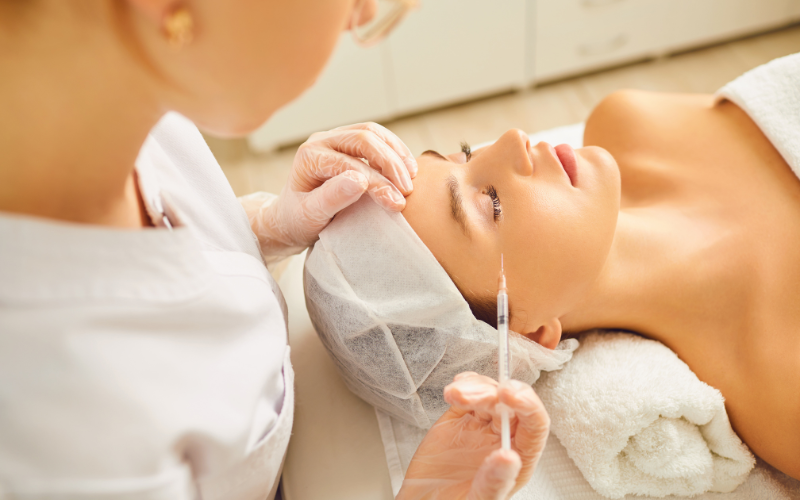
Introduction: A New Era of Facial Aesthetics
In 2025, plastic surgery is undergoing a transformative shift. Fueled by social media, advancements in medical technology, and changing beauty standards, facial procedures are becoming more refined, subtle, and personalized. Unlike past decades where “plastic” looks dominated, today’s trends are all about natural rejuvenation, precision sculpting, and minimally invasive enhancement.
Among the most talked-about trends this year are brow lifts, facial fat grafting, and next-generation facelift techniques. These procedures are not only more effective than ever—they also reflect a broader societal move toward graceful aging and preventative cosmetic care.
Here’s a deep dive into these top trends, what they mean for patients, and how they are reshaping the future of facial plastic surgery.
1. Brow Lifts Make a Sophisticated Comeback
Why It’s Trending
Once viewed as an overly aggressive procedure, the brow lift has re-emerged in 2025 as a nuanced technique used to open the eyes, lift sagging brows, and restore youthful expressions—all without the “frozen” look. With the rise of “resting angry face” concerns and eye-centric beauty ideals (thanks to Zoom and selfies), lifting the brow subtly has become highly desirable.
Advanced Techniques in 2025
- Endoscopic Brow Lift: This minimally invasive method uses small incisions hidden in the hairline. A tiny camera helps surgeons lift and reposition the brow with minimal scarring and faster recovery.
- Lateral Temporal Lift: Targeting the outer part of the brow, this is ideal for patients who want a slight cat-eye lift or correction of drooping at the temples. It’s less invasive and gives a more youthful, alert look.
- Hybrid Fill-Lift: Combining a minor lift with dermal fillers to support and shape the brows from below, this hybrid method is tailored for patients not ready for full surgery.
Who’s Getting It?
While once reserved for people in their 50s or 60s, today’s brow lift patients often range from late 30s to mid-40s, seeking early correction before deep wrinkles or hooding set in. Younger patients also appreciate its ability to enhance eye shape in a way that injectables cannot.
2. Facial Fat Grafting: Natural Volume, Long-Term Results
The Shift Away From Fillers
Injectable fillers like hyaluronic acid have been the go-to for volume restoration for years, but in 2025, fat grafting is becoming the preferred long-term option. This technique uses the patient’s own fat, harvested via liposuction, to add volume to areas like the cheeks, temples, jawline, and under-eyes.
Why It’s Gaining Popularity
- Long-lasting results: Unlike fillers, which last 6–18 months, fat grafts can last for years—sometimes permanently—with proper technique and care.
- Natural texture: Fat integrates with surrounding tissue, creating softer, more natural results, especially around thin-skinned areas like under the eyes.
- Regenerative properties: Fat contains stem cells that may improve skin texture and quality over time.
Technological Improvements
- Microfat and Nanofat Techniques: Surgeons are now refining the fat before injection into smaller particles, making it easier to apply in delicate areas with less risk of lumps or irregularities.
- 3D Mapping and Imaging: Advanced scanning tools allow surgeons to create precise volume blueprints for each face, ensuring balanced and harmonious outcomes.
Ideal Candidates
Men and women in their 30s to 60s with volume loss from aging, weight loss, or genetics. It’s especially popular among people seeking natural alternatives to synthetic fillers or those who want full-face rejuvenation.
3. Next-Gen Facelifts: Precision, Not Overhaul
Beyond the “Pulled” Look
In 2025, the facelift has evolved far beyond the overly tight, windblown results of the past. Today’s facelifts are defined by deep-plane lifting, SMAS repositioning, and customized layer techniques—designed to lift from within while preserving facial character.
Major Advances
- Deep-Plane Facelift: This technique lifts the underlying muscle and fascia (SMAS) instead of just pulling the skin. It provides longer-lasting, more natural-looking results with less visible tension.
- Mini Facelifts with Big Impact: For younger patients in their 40s and early 50s, the mini or “weekend” facelift offers light lifting with small incisions and quicker recovery. It’s often combined with fat grafting or laser resurfacing.
- Extended SMAS Lift: Targeting the jawline and neck, this version is ideal for patients with sagging jowls and skin laxity. It provides powerful results with fewer risks than traditional full facelifts.
- Vertical Vector Lifting: Instead of pulling skin backward (which can distort the face), surgeons now lift vertically to restore the natural youthful angles of the cheeks and jaw.
Why It Matters in 2025
With more patients seeking natural, age-appropriate results, the new facelift methods allow for subtle enhancements that delay the need for more aggressive surgery. Combined with lifestyle changes and non-surgical adjuncts like radiofrequency skin tightening, the facelift is now part of a long-term beauty strategy, not a last resort.
Supporting Trends Amplifying the Big Three
A. Preventative Aesthetic Surgery
More patients in their 30s and early 40s are choosing early interventions to stay ahead of aging. Light facial procedures—like mini-lifts, brow suspension sutures, or fat microneedling—are becoming popular for maintenance rather than dramatic change.
B. Combination Therapy: Surgery + Technology
It’s no longer about choosing between a scalpel and a syringe. Surgeons are blending facelifts or brow lifts with CO2 lasers, radiofrequency microneedling, or ultrasound tightening to maximize skin rejuvenation and reduce the need for future procedures.
C. Men Embrace Facial Procedures
In 2025, men represent a growing demographic in facial plastic surgery. Male patients now account for over 30% of brow lifts and over 20% of facelifts. They often seek subtle corrections: stronger jawlines, tighter necks, and refreshed eye areas—without feminizing features.
Risks, Realism, and Ethical Considerations
While trends are exciting, surgeons warn against the idea that any procedure is “risk-free” or universally appropriate.
- Brow lifts can lead to asymmetry or forehead numbness if not performed correctly.
- Fat grafting has a learning curve; overfilling or uneven absorption can cause irregularities.
- Facelifts, even modern ones, carry risks of nerve damage, hematoma, or prolonged recovery if done improperly.
Board-certified surgeons emphasize the importance of realistic expectations, thorough consultations, and qualified providers. What works for one face may not work for another—and true artistry lies in personalization, not mimicry.