




Tech conferences try to guess what’s coming. You sometimes feel like it’s all just fluff. But sometimes, you get the sense that things are really about to change. That’s what TechCrunch Disrupt 2025 felt like.
The big deal this year wasn’t about cool apps or fancy startups. It wasn’t some social network dreaming of changing your life. No, it was about bigger stuff: AI, human-like robots, and cars driving themselves. We are talking about things that won’t just live on your phone. They’ll be walking around, driving around, and maybe even doing your job.
You could feel the excitement (and a little worry) in the room. Founders, investors, and engineers weren’t just listening to speakers. They were thinking about what happens when machines are more than tools, that can work together with us.
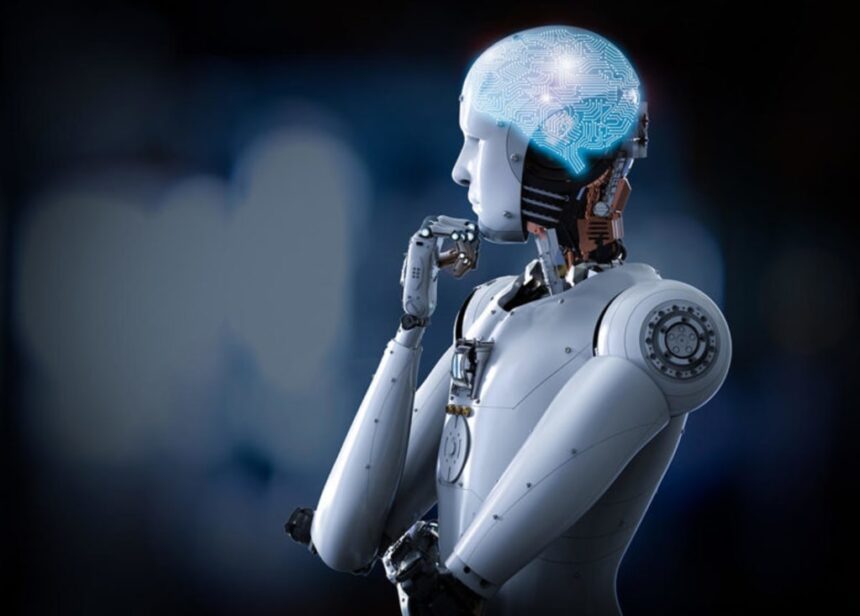
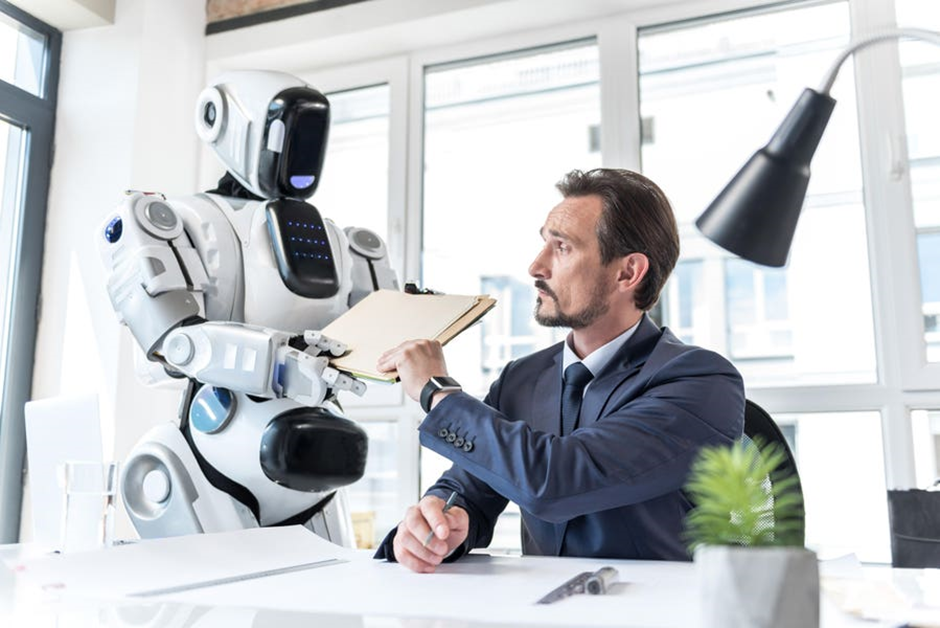
Humanoid robots were practically celebrities on stage. Not long ago, robots were a punchline falling over or doing dumb dances. Now, in 2025, it’s real. Companies like Apptronik are treating humanoids as workers. They stock shelves, lift boxes, and help in hospitals. One speaker made a great point: If robots can do what people do, we don’t have to twist the world to suit them. They can just jump right in. It wasn’t just about robots stealing jobs. It was about them doing the jobs people don’t want, like risky or tiring work.
Of course, some people are worried. What happens to workers who lose their jobs? What if a robot messes up in a hospital? There were lots of questions, but not many easy answers. The fact that we’re asking these questions at all means humanoids are getting close to going from the lab to doing actual work.
Self-driving cars are back in the spotlight, too. Remember when everyone thought robotaxis would be everywhere? Well, that didn’t happen. But at Disrupt, self-driving cars were back. Less talk, more action. Companies like Waabi use computer programs to teach their cars how to drive. These cars go through all sorts of situations, like bad weather and crazy traffic, all in a computer. The point isn’t to take you out for dinner (not yet, anyway). It’s about delivering groceries and packages. Being dependable matters more than looking cool.
All of this stuff runs on good hardware. AI guzzles power. Training these programs needs a lot of energy. You can’t do that with weak chips. So, better AI hardware was a hot topic at Disrupt: new processors, smarter sensors, and ways to save energy. One founder joked that it was like trying to fit a dragon in a shoebox you have all this power, but you have to keep it under control. People laughed, but the message was simple. Without better hardware, humanoids and self-driving cars won’t leave the demo stage.
The best thing about Disrupt this year was the honesty. Speakers admitted that their robots screw up, their cars have problems, and their chips get too hot. But they also showed how much progress they’ve made in just a few years. There was less sales talk and more real talk about the hard work. The messy stuff, where stuff breaks, gets fixed, and slowly starts to work. That honesty made everything feel more real.
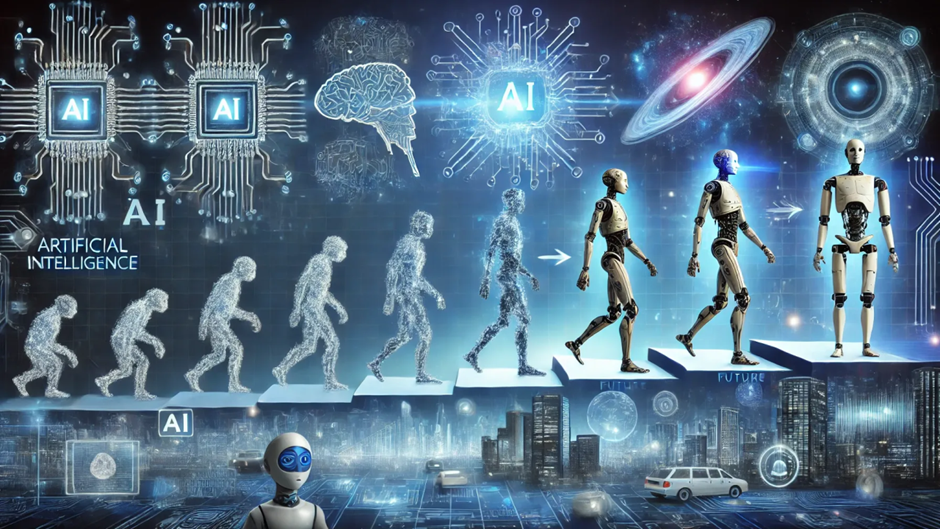
And then, the questions came that no one wants to answer. Who gets to control AI’s evolution? If robots are everywhere, who says what they should do? If a self-driving car crashes, who’s to blame? If a few companies control all the AI, what happens to everyone else? There aren’t any easy answers and there may be no answers at all. But, at the very least, we’re starting to think about those questions.
One thing was clear by the end of Disrupt 2025: the future isn’t about another hot app. It’s about AI moving into the real world, with robots that make mistakes but learn from them, cars that learn to drive in a computer, and chips that can manage AI’s energy needs. It’s messy and hard to predict. But it’s closer than ever.
Disrupt 2025 wasn’t about pie-in-the-sky ideas. It was about the early versions of tomorrow. The one where machines don’t just sit on desks, but move around us. Not perfect, not yet. But it’s enough to make you stop and think, wow, this is really happening.