




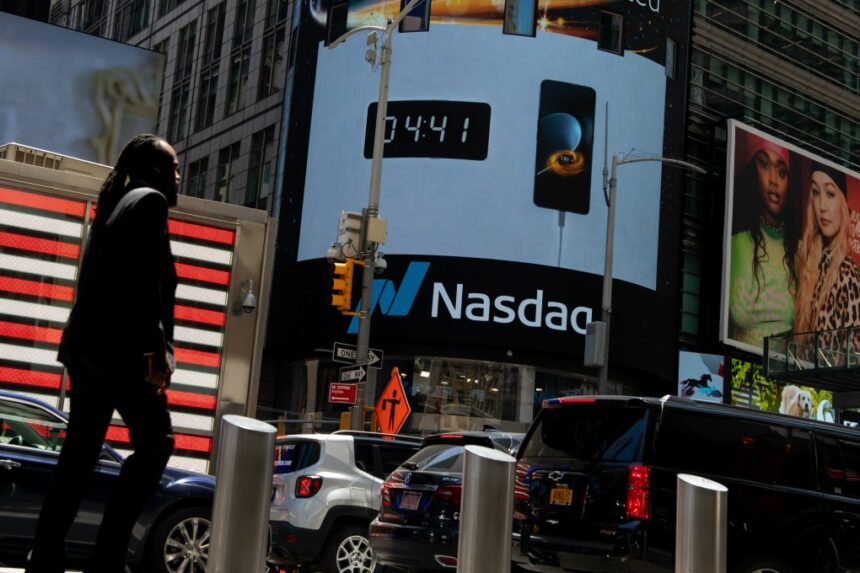
These firms aren’t the big names like Goldman Sachs or Morgan Stanley. Regulators are calling them the bilge bracket, which is a dig at the bigger “bulge bracket” banks. These are smaller auditing companies, less famous underwriters, and advising shops that are supposedly helping pump-and-dump schemes from China get into U.S. markets.
If you lost cash in these scams, this action is overdue. People are mad it took so long. Some think things are already ruined, but they hope the people who helped the scams happen will be held responsible.
Pump-and-dump schemes aren’t anything new, but they seem to be happening more often now. Here’s how it works: a small Chinese company lists its stock in the U.S. Then, the hype starts. Social media blows up with posts on places like Twitter, TikTok, and Reddit, calling it the next big thing. The stock price shoots up. Regular folks see the gains and jump in, thinking they’re going to get rich. Then, the people on the inside sell their shares, the hype dies, and the small investors are stuck with stocks that are almost worthless.
What’s different now is how obvious it is. It’s all happening right out in the open, and hype moves faster than regulators can deal with. The firms that should’ve been preventing this were actually helping it happen. Auditors signed off on questionable financial reports. Underwriters rushed to list these companies. Advisors helped make everything seem okay. Regulators say that without this help, a lot of these Chinese firms wouldn’t be on Wall Street.
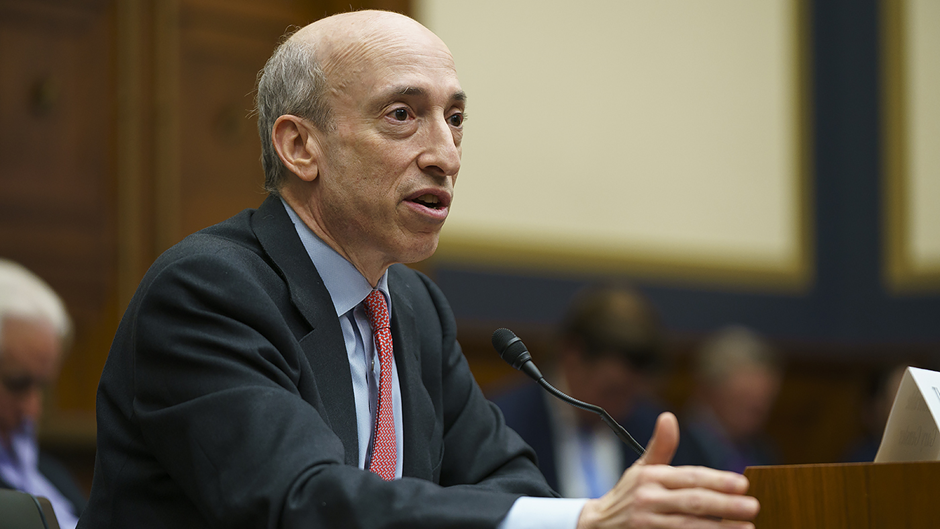
SEC Chair Gary Gensler told us changes were coming, and here they are now. Subpoenas are out, and assets are frozen. Investigators are looking at the books of those firms. The message is simple: if you made money from these scams or just ignored them, you’ll be held responsible.
For small investors, this crackdown is personal. It’s not about big hedge funds losing a little cash; it’s about regular people who thought they’d found a way to save for retirement, or young people who took out loans to invest. You see stories online of people who lost everything in these schemes. For them, the SEC’s action is some justice, even if they don’t get their cash back.
However, some people say the SEC should’ve acted sooner because these scams have been around for years. Others worry this could make our relationship with China worse, adding financial distrust to our current fights over tech and trade. China might see this as another attempt to target its companies instead of protecting investors.
The SEC says it’s not about politics but about responsibility. The issue isn’t just the foreign companies; it’s the U.S. firms that allowed them to get away with it. When underwriters try for fast fees, auditors sign off on fake numbers, and exchanges list companies without checking, the market suffers. When trust is lost, it’s hard to get back. The big question is, who can investors trust now? With stock tips going around, promoters building up stocks, and foreign companies raising money in the U.S. with not much checking, things feel unstable. The SEC wants to make a statement, showing that the anything-goes days are done. Whether that works depends on how serious this crackdown is.
Right now, the bilge bracket firms are in trouble. Most people had never heard of them before. But now, they’re accused of helping scams that cost investors billions. Some are happy that regulators are paying attention. Others aren’t so sure, saying that new scams will always show up as long as people are greedy.
In the end, this is about more than just punishing a few bad people. It’s about bringing back belief in the system. The stock market works when people trust it. If investors stop thinking it’s fair, things will fall apart. That’s what’s at risk, and that’s why the SEC’s actions are necessary for the future of U.S. markets.