



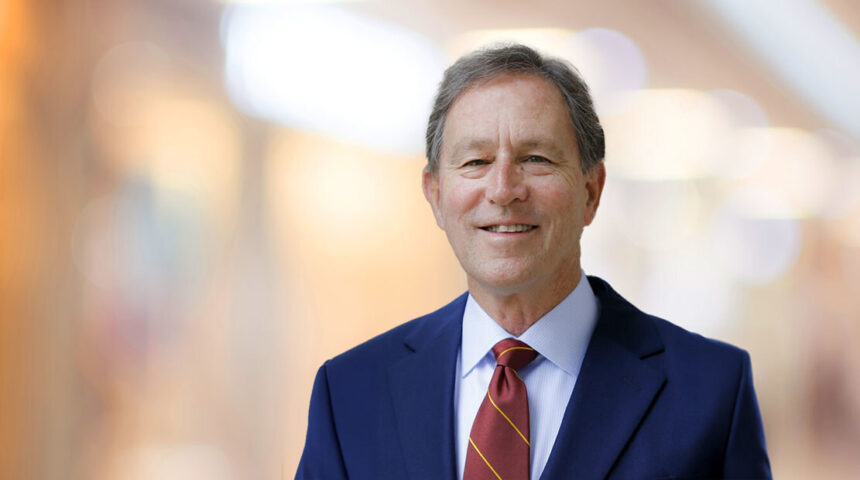
In an extraordinary corporate move, Jeffrey Ettinger, former CEO of Hormel Foods, has returned to helm the company as interim CEO, stepping in amidst mounting supply chain challenges and declining investor confidence. Ettinger’s comeback signals a renewed bid to stabilize operations, renew strategic focus, and leverage his deep institutional knowledge to steer Hormel through a turbulent period.
From Retirement to Rescue
Ettinger retired from his role as Hormel’s CEO in early 2021 after enhancing the company’s performance for over seven years. Under his leadership, Hormel expanded its portfolio through premium launches, streamlined operations, and consistent shareholder returns. The board quickly tapped into his vast experience when the company faced inventory bottleneck issues and production disruption later that year.
His appointment was positioned as a temporary emergency measure—but it comes at a critical juncture. Equities analysts report that pressure on supply chains, rising ingredient costs, and patchy segment performance have weighed on Hormel’s recent quarterly results. Ettinger’s return is both symbolic and strategic: a steady hand during unrest.
Addressing the Supply Crunch
Since Ettinger’s return, Hormel has reported improved coordination across manufacturing plants, enhanced communications with suppliers, and tighter production scheduling. He has prioritized a close audit of the supply chain, bringing in senior managers and external advisors to identify pinch points—from livestock sourcing to finished-goods storage.
A key priority has been smoothing distribution lanes, especially in the Midwest and East, where production speeds and delivery consistency fell in recent quarters. Ettinger is unifying operations leadership to ensure plant-level issues are centered in corporate strategic decision-making.
Reinforcing Organizational Roots
Ettinger’s leadership is rooted in deep pragmatism and institutional memory. He’s taken daily briefings on plant performance, vendor delays, logistics issues, and customer service complaints. His familiar presence has reassured long-tenured Hormel managers and production staff—reducing turnover at critical plants.
He’s also emphasized accountability. “We own the process from paddock to plate,” he remarked in his first executive meeting, underscoring the need to connect every link in the chain. Reports suggest a more disciplined cadence—including weekly goal reviews and efficiency targets at plant level with senior leadership oversight.
Short‑Term Fixes, Long‑Term Vision
Ettinger’s immediate mission is supply stabilization—haste, reliability, consistency. But he’s also addressing longer-term improvements. Under previous leadership, Hormel delayed several modernization investments in processing automation and warehouse digitization. Ettinger is reviving these projects, seeking to boost capacity and flexibility in future demand spikes.
He’s also pushing updates to procurement procedures—standardizing contracts, enforcing volume forecasting discipline, and exploring closer integration with major livestock suppliers to reduce volatility in raw material cost and availability.
Leadership Style: Strategic and Collaborative
Former peers describe Ettinger as a data-driven leader who balances financial discipline with values-based teamwork. His tenure saw significant improvements in employee engagement scores and operational performance. Those qualities are now being called upon again.
He’s also been in close contact with Hormel’s newly appointed CEO-in-waiting who was recently promoted from within. Ettinger will mentor this successor during the interim period, ensuring continuity as the company stabilizes and transitions to the next phase.
Investor and Market Reaction
Market response has been cautiously optimistic. Hormel shares rallied modestly following the announcement, reflecting investor confidence in Ettinger’s ability to manage concurrent supply and cost issues. Analysts note that his return reduces execution uncertainty and may revive confidence in Hormel’s strategic path.
Retailers and distributors have also welcomed the move. In conversations with buyers, there’s been an expressed hope that product availability will stabilize, ensuring fewer out-of-stock situations and stronger seasonal volume control.
Gauging the Interim Turnaround
Ettinger has set three benchmarks for initial success:
- Supply chain flow: eliminate notable bottlenecks by quarter’s end.
- Plant efficiency reset: stabilize yield and output metrics across key group plants.
- Stakeholder confidence: demonstrate steadier inventory flow to major customers and suppliers.
These goals are attacked in weekly board-mandated review sessions and daily executive updates. When asked about his timeline, Ettinger downplayed duration, stating that the company needs to “run the organization well before anything else.”
The Road Ahead
Ettinger’s reappointment as interim CEO is unconventional—but strategic. By combining his legacy leadership with present-day urgency, Hormel is clearly signaling a top-down recommitment to discipline, execution, and operational resilience.
His immediate task: steady the ship. His longer challenge: prepare Hormel for a post-supply-crunch world through targeted investment, smart sourcing, and operational modernization. If he succeeds, the comeback may mark one of the most effective interim leadership success stories in recent corporate memory.
🗞️ Article 2: “Hormel Foods Taps Jeffrey Ettinger as Interim CEO to Steer Supply Chain Correction”
AUSTIN, MN —
Hormel Foods has unveiled Jeffrey Ettinger as its interim CEO amid intensifying concerns over persistent supply chain glitches and uneven product availability. Ettinger returns to helm the company he once led, entrusted with fast-track improvements while the board charts a transitional leadership path.
Leadership by Legacy
A familiar face to employees and industry stakeholders, Ettinger served Hormel with distinction from 2014 to 2021. He led key brands—both legacy and acquired—toward healthier margins, expanded global reach, and raised investor goodwill. The board, stunned by a recent stretch of inventory misalignment and logistics inefficiencies, fast-tracked his recall to reset priorities and operations.
Where Supply Broke Down
Hormel’s recent operational issues stemmed from a mix of rising input costs, weather-related livestock disruptions, and delayed system upgrades. As a result, executive teams acknowledge that some plants suffered from delayed inbound supply, forcing randomness into production runs. Meanwhile, warehouse utilization reached strain limits, disrupting seasonal fulfillment.