




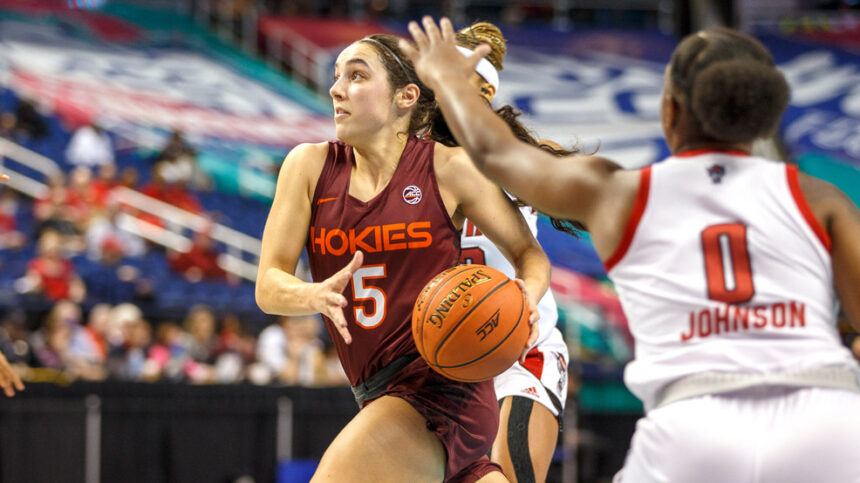
In a gym that echoes with bouncing basketballs and the shouts of teenagers chasing dreams, Coach Naomi Fields stands at the center—not just as a coach, but as a mentor, educator, and activist. Her mission? To use basketball not just as a sport, but as a life-saving, life-shaping tool for inner-city youth battling poverty, violence, and marginalization.
At 41, Fields is the founder and director of Project Uprise, a nonprofit initiative based in Chicago’s South Side that combines elite athletic training with academic support, trauma counseling, and civic leadership development. Through it, she’s coached hundreds of boys and girls—some bound for college scholarships, others for community leadership, but all leaving her program empowered, seen, and prepared.
“This isn’t just about jump shots,” Fields says. “It’s about justice, opportunity, and giving these kids a future that’s bigger than survival.”
Roots in Resilience: Naomi’s Own Story
Naomi Fields was born and raised in Englewood, one of Chicago’s most underserved neighborhoods. Raised by a single mother who worked double shifts as a nurse, Fields found her sanctuary on a cracked concrete court outside her apartment.
She went on to star as a point guard at DePaul University, where she earned a degree in social work and became known not just for her court vision, but her vocal leadership. Instead of pursuing a pro career overseas, she returned home to teach, coach, and fight for the kids she once played alongside.
“I knew that if I didn’t come back, the cycle would keep spinning. And I was tired of watching talent—and lives—get lost.”
The Birth of Project Uprise: Where Basketball Meets Blueprint
In 2015, Fields launched Project Uprise, starting with just a handful of players and a single gym rental slot per week. Today, it’s a year-round, full-scale initiative with:
- Four boys and girls teams, ages 12–18
- After-school academic tutoring and college counseling
- Mental health support, with two full-time social workers
- Community service requirements for all players
- Partnerships with local schools, foundations, and small businesses
“We don’t just coach games—we coach growth,” says Fields. “Every player leaves knowing who they are, where they come from, and where they’re going.”
Core Philosophy: Empowerment Through Structure and Love
Fields’ coaching model is both demanding and deeply human. She balances discipline with empathy, insisting on:
- Daily check-ins—players must text a coach when they arrive home from practice
- “No Class, No Court” policy—players with missing assignments sit out games
- Life Skills Fridays—workshops on resume writing, consent, credit, and civic engagement
- Open Mic Circles—weekly spaces for players to share challenges and victories without fear
She also runs a “Girls on the Rise” leadership circle for young women of color, focusing on body image, confidence, and navigating systemic bias.
“Too many coaches try to fix the athlete and ignore the person,” she says. “We build both, equally.”
Real Results: Changing Stats, Changing Lives
Since its founding, Project Uprise has produced:
- Over 80 student-athletes who’ve earned college scholarships (40% at Division I programs)
- A 98% high school graduation rate among participants
- A 60% reduction in players’ involvement in disciplinary or legal trouble
- Twelve players returning as peer mentors or volunteer staff
Many alumni go on to careers in teaching, public health, sports journalism, and activism.
“Coach Fields helped me get my first A in algebra—and my first job,” says Malik Thompson, a former player now studying at Howard University. “She didn’t just change my game. She changed my life.”
Beyond the Court: Advocacy and Visibility
Fields has become a vocal national advocate for youth sports equity and trauma-informed coaching, speaking at:
- The Aspen Institute’s Project Play Summit
- The Women in Sports Leadership Conference
- Panels hosted by the NBA Foundation and Obama Foundation
She also co-authored a report on sports-based youth development and consults with school districts on integrating athletics with social services.
In 2023, she was honored with the ESPN Community Impact Award and featured in TIME’s list of 100 Women Changing the World of Sports.
“Every city needs a Coach Fields,” said WNBA star Candace Parker. “She’s building legacy from the ground up.”
Challenges: Fighting the System as Well as the Odds
Despite her success, Fields continues to face major obstacles:
- Funding gaps, especially for girls’ programming
- Bureaucratic resistance from schools prioritizing test scores over athletics
- Safety concerns, including gang violence near practice sites
- Mental health crises among players living with loss, instability, and trauma
Still, she presses on—with grit, grace, and a game plan rooted in radical hope.
“I can’t change the system overnight,” Fields says. “But I can change what one gym, one team, and one community looks like.”
Looking Ahead: Scaling the Mission
In 2025, Fields is expanding Project Uprise into a second site in Detroit, piloting a coaching certification program for trauma-informed youth sports, and launching a college prep track for non-athletes in partner schools.
She’s also in talks with national partners to create a network of Uprise-inspired programs, offering a replicable model for cities across the country.
“This work shouldn’t be rare,” she says. “It should be everywhere. Because the kids are ready—they’re just waiting for us to show up.”
Conclusion: More Than a Coach
Coach Naomi Fields is more than a coach. She’s a catalyst. A mother figure. A strategist. A force of nature.
In neighborhoods too often ignored, she’s building pipelines of opportunity and dignity, using basketball as the bridge. Her impact can’t be measured just in points or wins—but in confidence restored, futures reclaimed, and communities uplifted.
“Every kid who walks through our doors is told: ‘You matter. You belong. And you’re going somewhere,’” she says. “The game is just where we start.”