



Most parents don’t spend their days thinking about the CDC. Usually, it’s just there in the background. But when the CDC makes a big decision, it gets everyone’s attention. This week is one of those times. The CDC’s Advisory Committee on Immunization Practices (ACIP) will vote on something that could change how kids get their shots in the U.S. They’re talking about the combined measles, mumps, rubella, and varicella vaccine you probably know as MMRV.
It might sound like a boring government thing. Experts are looking at numbers. But really, this decision will affect families and doctors everywhere. It’s about that moment when a child holds tight to their parent in the doctor’s office, clutching their favorite toy, and nervously watches the nurse get the needle ready. Will they get one shot or two? For parents, that’s a big deal.
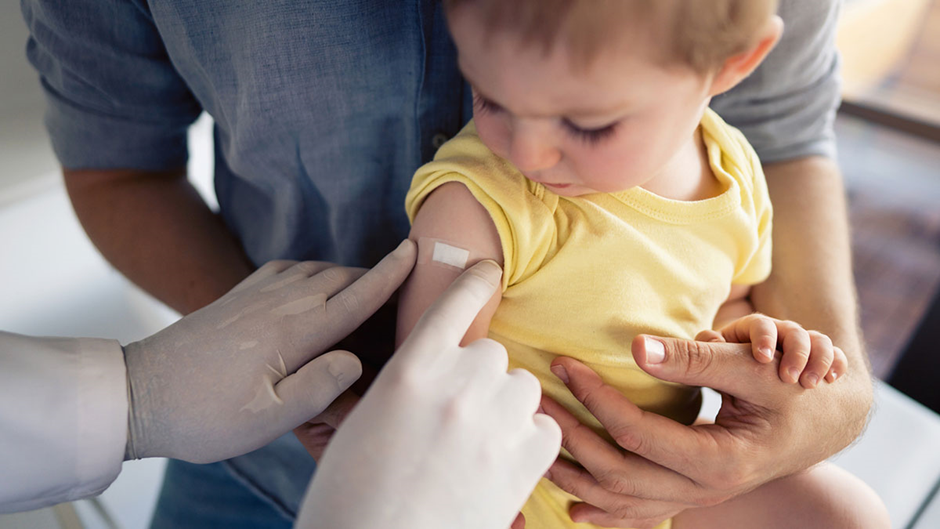
The MMRV vaccine has been around for a while. It protects against four diseases with one shotmeasles, mumps, rubella, and chickenpox. It seems like a good idea: fewer shots, fewer tears, fewer trips to the doctor. Many doctors like it too, because it keeps vaccination rates up by making things simpler. But there’s a tricky part. Some studies say that young kids, especially those under four, might have a slightly higher chance of fever or seizures with the combined vaccine, compared to getting the MMR and chickenpox shots separately. It doesn’t happen often, but it’s still something parents worry about.
So, why are they discussing it now? The CDC checks vaccine schedules all the time. That’s just part of what they do. But it also has to do with where we are as a country. After the pandemic, people don’t trust vaccines and public health groups as much. It used to be easy: The doctor says it’s safe, so let’s do it. Now, people spend hours searching online, looking at social media, and trying to figure out what’s true. Families are more careful, and they want to know more. By looking at MMRV again, the CDC is showing that they understand these worries and that science changes as we learn more. They’re listening.
And remember, these diseases are still around. Measles, which we thought was gone in the U.S., has reappeared in states where not enough people are vaccinated. Chickenpox can still cause problems like pneumonia. Mumps often spreads in places where people live close together, like college dorms. Rubella, while rare, can cause serious birth problems if a woman gets it while pregnant. These aren’t just old diseases. They’re real, and vaccines are still the best way to protect us.
But this isn’t just about the science. It’s about trust. Think about a mom in Dallas at her child’s check-up. The doctor says she can choose one combined shot or two separate ones. She remembers reading that MMRV might cause seizures. Her child hates shots, and two sounds worse than one. But what if the combined shot has more risks? It’s a tough decision, and it makes her anxious. That’s where the medical facts meet real life.
Doctors feel the same way. A pediatrician in Boston said it simply: Parents want us to be honest. If there’s a higher risk, we need to say it. That sounds easy, but it’s not always. Parents are worried, and rumors spread fast. In a world where it’s easy to find wrong information, explaining even small risks can be hard.
When the CDC panel votes, it won’t be a big show. Experts will look at the numbers and make careful suggestions. But it will have an impact. If MMRV stays the preferred choice, more families will see it on the vaccine list. If they suggest separate shots, parents might have longer appointments, but they might feel better about it. Either way, it will affect whether people trust the CDC.
For years, people have said the CDC is too strict or confusing. By looking at rules again, like this one, the CDC shows they’re paying attention. They’re willing to think about the good and bad sides. Being honest even about rare risks, is important. When people feel like you’re being open with them, they trust you more. And without trust, even the best science doesn’t matter as much.
Of course, people will talk about it online. There will be posts on Twitter, discussions on Facebook, and videos on TikTok. Some will say it’s a good decision. Others will say the CDC is giving in to politics. That’s just how it is with vaccines now. Every change gets a lot of attention and arguments.
But one thing is still true: vaccines work. They’ve saved a lot of lives. It’s not about whether they’re helpful. It’s about how to give them in a way that families trust, with schedules that make sense for both science and real life.
Right now, experts are talking, and parents are in waiting rooms across the country. They’re looking at their phones, watching their kids, maybe holding their hand, and wondering what will happen. They don’t want complicated words or political talk. They want to feel sure. They want to know that the people making these decisions understand and care.
And that might be what really matters. Numbers are important. Information is important. But trust? Trust is the most important thing. The MMRV discussion will be remembered not just for the details, but for whether families felt better about it afterward.
In the end, it’s not just about one shot or two. It’s about whether a parent can tell their child before the nurse comes in. It’s okay. This is the right thing. Because science alone can’t calm worries. Trust can. And that’s what the CDC needs to earn back one choice at a time.