




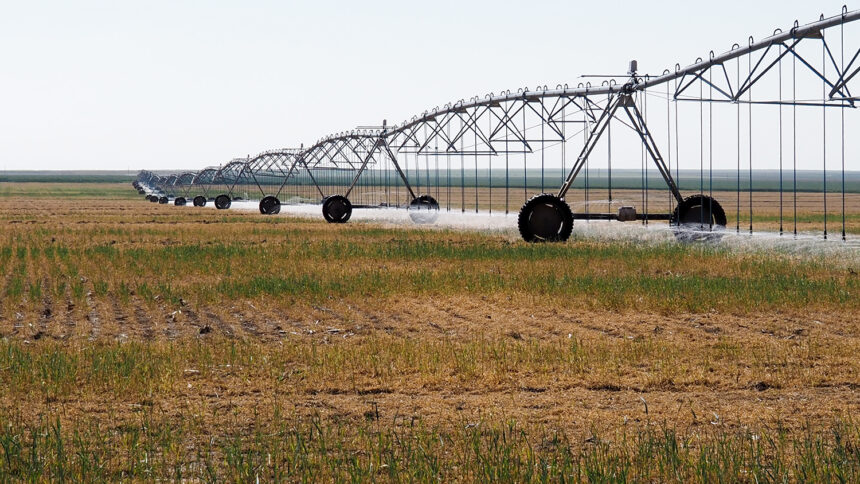
Have you ever driven through Kansas as the sun sets? It’s wide open, with wheat fields shining like gold under a huge sky. For generations, this land has meant more than just dirt. It’s been a promise, a family history, and a way to build wealth. People used to think of Kansas farmland as a sure thing. Now, that’s changing, and it’s not just because of weather. It’s politics.
Farmland: Not as Safe as It Used to Be?
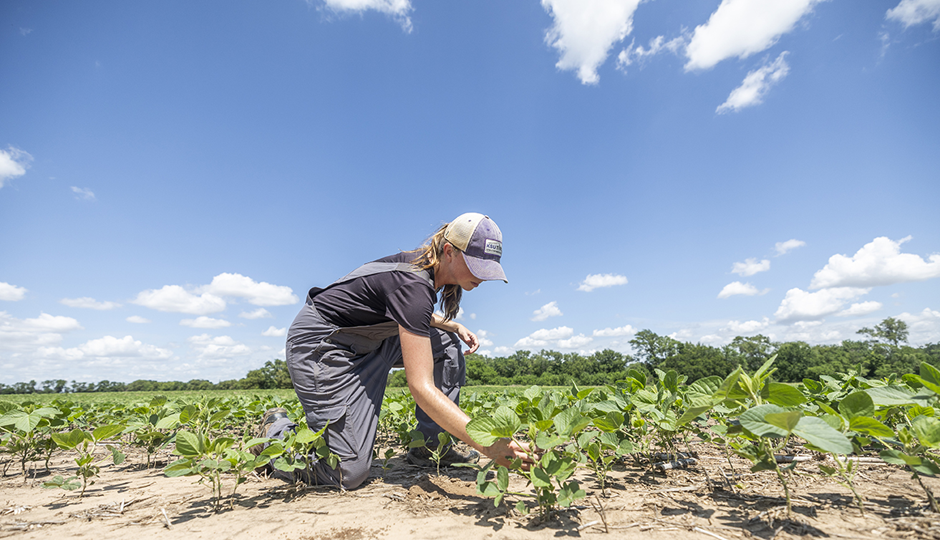
Farmers always said, “Buy land, because they aren’t making any more.”
In Kansas, people took that to heart. Farmland wasn’t just about the money. It was about keeping families together. Parents farmed the land and passed it down to their kids, who knew they would own it someday. Land was about who you were, not just how rich you were.
But now things feel different. Prices go up and down a lot. Banks are careful about giving loans. Buyers are thinking twice before they buy. When farmers get together, they talk about what’s happening in Washington as much as the weather. That tells you things have changed.
Politics in the Fields
So, what’s causing all the worry?
First, there are subsidies. These programs have helped farmers get through tough times. But when Congress argues about them, the help feels shaky. If subsidies get cut, a lot of family farms could be in trouble.
Then, there’s trade. Kansas sends wheat, corn, and soybeans all over the world. But tariffs, trade issues, and changing rules make it hard to know how to sell crops. Prices change quickly. Farmers can’t plan when the rules keep changing. And taxes are another problem. People are talking a lot about property and inheritance taxes. Families worry that new laws will make it hard to keep land in the family. It’s about protecting what they have, not getting rich. Losing the land would mean losing a piece of who they are. Politics, which used to seem far away in D.C., now feels like it’s right here in Kansas.
What Farmers Are Saying
Farmers will tell you how they feel. Tom, who farms near Salina, said, “Bad weather? That’s farming. You expect it. But Washington keeps changing things. How can I plan for next year if I don’t know what to expect?” Sarah, who has a small farm near Wichita, said it’s like gambling. “Farming’s always been a bit of a gamble, but politics makes it worse.” All over Kansas, you hear stories like this. Farmers can deal with droughts, storms, and pests. But politics? That’s a storm they can’t get ready for.
How It Affects Everyone
When farmland values go down, it affects everyone.
Banks don’t lend as much money. Tractor companies don’t sell as many tractors. Orders for seed and fertilizer slow down. Even the local diners, where farmers get coffee, see fewer customers and less money. In Kansas towns, farmland is the base of everything. When it struggles, schools, churches, and shops struggle too. Farming is more than just a job here. It’s what keeps the community going.
Kansas Is Strong
But Kansas farmers are strong. They survived the Dust Bowl and the farm crisis in the 1980s. They’ve gotten through problems that seemed impossible.
And they’ll get through this too.
Some people think the drop in farmland values might just be temporary. Land is still land. It still grows food. That won’t change. New things are also happening. Wind turbines and solar panels are giving landowners extra money. Farms are finding ways to be stronger and use resources better. Some families are trying new things to make money from their land. It’s not perfect, but anything that helps is a good thing in Kansas.
Why This Matters to You
If you live in a city, you might wonder why Kansas farmland matters to you. Kansas feeds the world. Its wheat becomes your bread. Its corn feeds the cows and chickens you eat. Its soybeans are in a lot of the products you use every day. When Kansas farmland struggles, it affects food and prices everywhere.
What’s Next?
The future is uncertain. Farmers want things to be steady. They want trade deals they can count on, tax rules that don’t hurt family farms, and support that doesn’t disappear when things get difficult in politics. With elections coming up, things feel even more important. Will new rules help farmers? Or will politics keep making things difficult for them? No one knows. But farmers will keep doing what they do best: planting, harvesting, and hoping for the best.
In short
Kansas farmland means more than just land. It’s family history. It keeps rural communities together. It’s important to America’s food supply. Politics have made things uncertain. Kansas farmers are strong, but they shouldn’t have to fight political problems on top of everything else. The soil in Kansas is ready to grow. It just depends on whether politics will let it.